If you are trying to make sense of Stafford, CT housing, one thing becomes clear fast: this is a market where character, condition, and carrying costs all matter. You may find older homes with architectural detail, modestly priced single-family options, and a smaller pool of newer or low-maintenance properties than in some nearby markets. Understanding how Stafford’s housing stock has evolved can help you set a smarter budget and focus on the right fit for your lifestyle. Let’s dive in.
Stafford housing at a glance
Stafford is a small, low-density town in the Capitol Planning Region with about 4,902 housing units, according to the 2025 Stafford town profile. That same profile reports a median home value of $243,900, a median rent of $1,106, and a median household income of $97,509.
The broader ownership picture also stands out. Census Reporter shows an owner-occupied rate of 78.2%, which helps explain why the market feels centered on long-term homeownership rather than a large rental base.
For many buyers, Stafford can read as more attainable than some higher-cost Hartford-area communities. At the same time, affordability is not just about purchase price. In a town with many older homes, you also want to weigh taxes, maintenance, and likely future updates.
Historic homes shape Stafford’s market
A major part of Stafford’s identity comes from its older housing stock. Stafford’s affordable housing plan reports that 38.2% of homes were built before 1950, and 73.6% of the housing stock is single-family. That means the market is still heavily oriented toward older detached homes rather than large waves of recent subdivision development.
Historic character is especially visible in village areas. State historic review materials describe the Stafford Springs Historic District as a 163-acre district with 85 contributing resources and a period of significance from 1841 to 1966. The same materials also reference Stafford Hollow’s preserved historic resources.
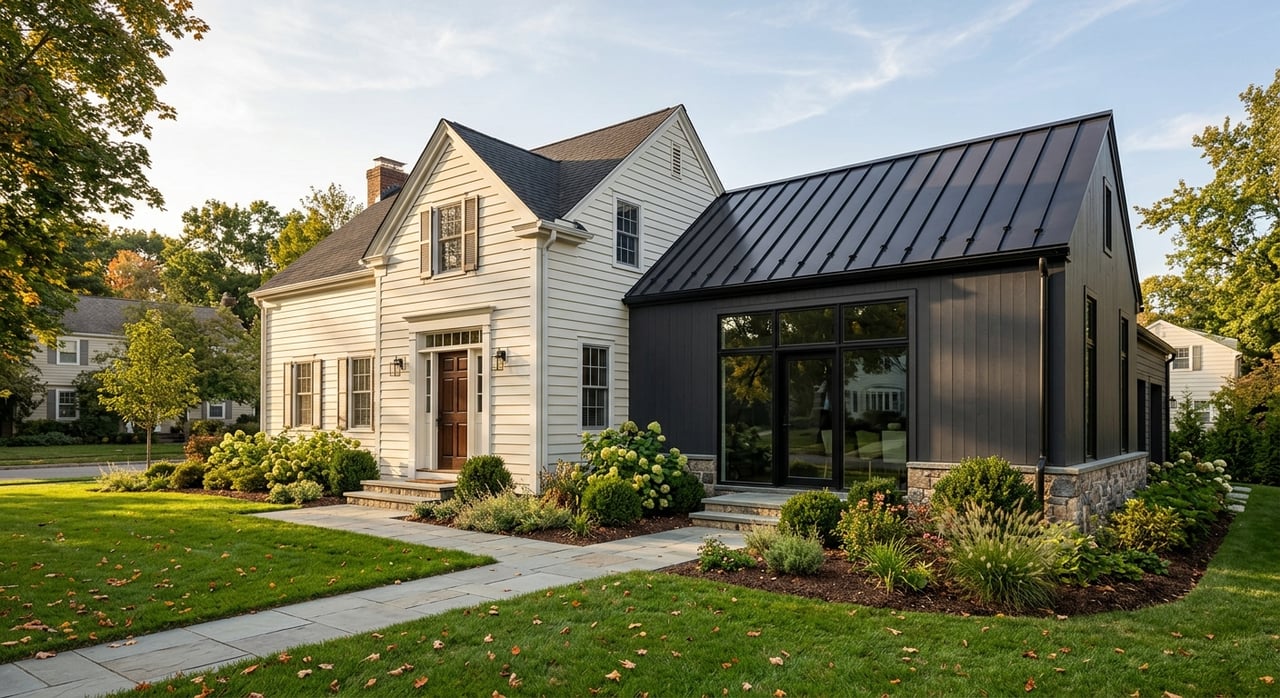
For you as a buyer, that often means more architectural variety and more homes with original charm. It can also mean more variation in layout, systems, upkeep history, and renovation quality from one property to the next.
Modern options are more limited
If your goal is newer construction or easy low-maintenance living, Stafford may still work for you, but your choices may be narrower. The town’s affordable housing plan says Stafford is well built out, with only 13% of residential lots vacant. That helps explain why large-scale new supply is less common here.
The same plan also shows that multi-family housing is allowed only in limited circumstances and often by special permit. Accessory dwelling units are also restricted to an in-law apartment that is contained within or attached to the primary home. In practical terms, that means you are less likely to see a wide selection of starter condos, new apartment-style housing, or attached options than in some suburban markets.
That does not mean modernized homes do not exist. It means they tend to be a smaller slice of the inventory, so timing and flexibility can matter if you want updated finishes, newer systems, or a simpler maintenance profile.
What housing types you can expect
Most of Stafford’s housing stock is still single-family. That gives many buyers the chance to find more yard space, more separation, and a more traditional Connecticut housing feel.
Rental and smaller multi-family options do exist, but they are not the dominant format. According to Stafford’s affordable housing plan, much of that supply is concentrated near the downtown historic center, with examples including the former hospital site, West Brook Garden Apartments, Edgewood Apartments, and mixed-use mill space on River Street.
If you are comparing housing types, here is the basic landscape:
| Housing Type | What to Expect in Stafford |
|---|---|
| Single-family homes | The dominant housing type, with many older homes and a broad range of condition |
| Historic homes | Common in Stafford Springs and Stafford Hollow, often with distinctive architecture |
| Newer homes | More limited supply due to built-out land patterns |
| Multi-family or attached options | Available in smaller numbers and often concentrated near the historic core |
| In-law or ADU-style living | More limited, with rules tied to attached or internal in-law setups |
What prices look like today
If you are trying to set a realistic budget, recent market data suggest that around $300,000 is a useful starting point for the middle of the market in Stafford Springs. The research report cites Redfin market data showing a February 2026 median sale price of $301,000.
The same research notes a broader middle range that often runs from the high-$200,000s to the mid-$300,000s, depending on age, size, condition, and updates. Homes that are renovated, larger, or more move-in ready may trend higher, while dated or more modest properties may fall below that range.
Stafford also remains relatively moderate when compared with broader benchmarks. Census Reporter shows Stafford’s median owner-occupied value at $243,900, compared with $298,200 for the Capitol Planning Region and $343,200 statewide.
Property taxes matter here
In Stafford, taxes are an important part of your monthly cost picture. Official town and statewide municipal data cited in the research report place Stafford’s mill rate in the high-30s to low-40s during the 2025 to 2026 budget cycle.
That range includes 38.59 in CCM FY2025 data, 38.71 in a May 2025 budget notice, 39.59 in an April 2025 town budget presentation, and an earlier 40.82 proposal, as reported through CCM’s Stafford community data. Exact tax impact depends on assessment and property details, but this is a place where you want to evaluate the full payment, not just the list price.
For many buyers, that means comparing:
- Purchase price
- Estimated monthly taxes
- Utility costs
- Insurance
- Immediate repair or update needs
- Long-term maintenance expectations
What older homes can mean for upkeep
Because such a large share of Stafford homes predates 1950, due diligence matters. Older homes can be beautifully maintained, thoughtfully updated, or still waiting for major improvements. The age of the stock simply means there is more variation to assess.
Based on the town’s housing profile, buyers should be prepared to look carefully at:
- Roof age and condition
- Windows and insulation
- Heating systems
- Plumbing and electrical updates
- Moisture management
- General weatherization and efficiency
This is not a sign that older homes should be avoided. It is a reminder that inspection, repair planning, and realistic budgeting are especially important in a market with so much historic and mid-century housing.
The town’s housing plan offers a practical example of how age can affect long-term viability. It notes that the 1960s-era Avery Park units were deteriorating and being phased out in favor of newer housing at Woodland Springs. That is a useful reminder that age alone does not define value, but condition and modernization absolutely matter.
How to decide what fits you best
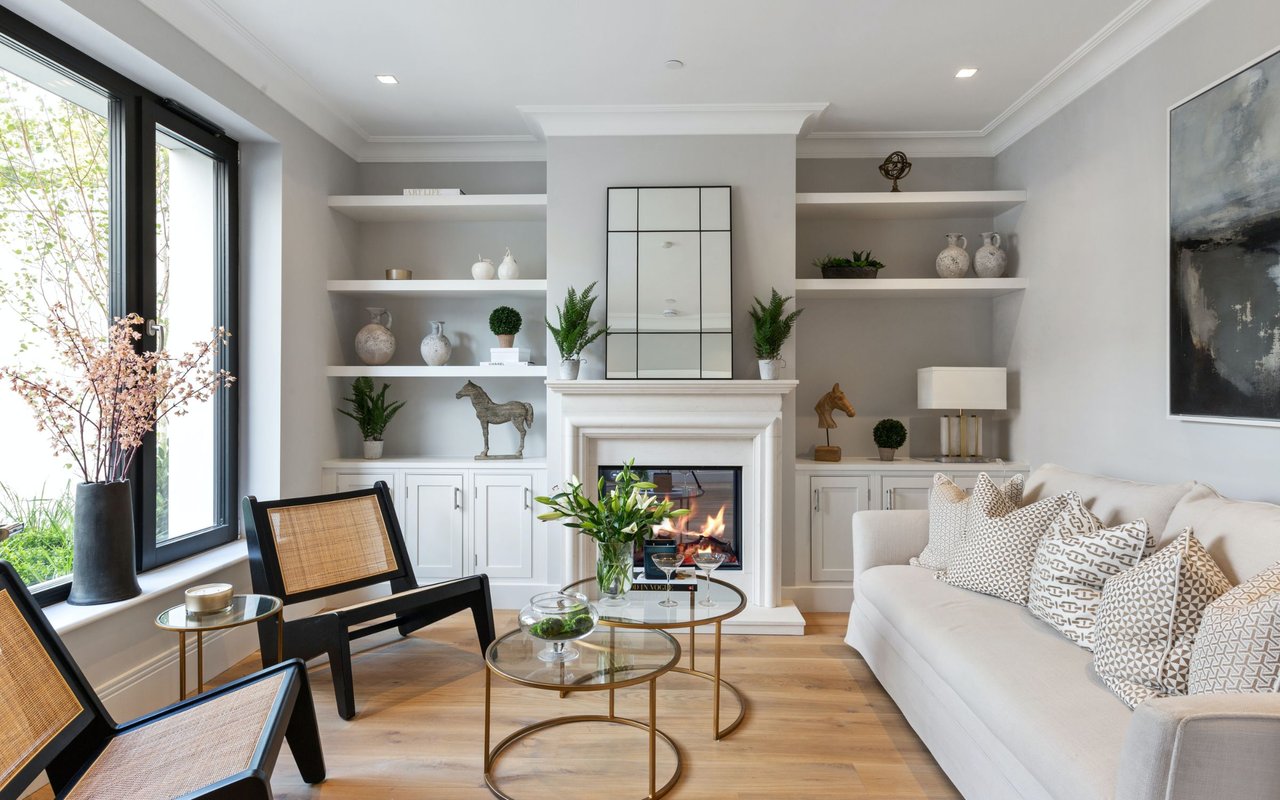
The right Stafford home often comes down to your priorities. If you love charm, traditional layouts, and established housing stock, Stafford may offer appealing options at a price point that is still relatively moderate for the region.
If you want newer finishes and fewer maintenance projects, you may need to be more patient and more selective. Modernized homes and lower-maintenance choices exist, but they are less common than older detached homes with a longer ownership history.
A simple way to frame your search is to ask yourself:
Do you want character or convenience?
Historic and older homes may give you more personality and space, but they can also bring more upkeep. Newer or updated homes may reduce near-term projects, though they can be harder to find.
Is your budget based on price alone?
In Stafford, your real budget should include taxes, utility expectations, and likely improvements. A lower purchase price can still come with meaningful carrying costs.
Are you open on housing type?
If you are flexible between single-family, small multi-family, or limited attached-style options near the historic core, you may create more opportunities for yourself.
Why local guidance matters in Stafford
Stafford is not a one-note market. One property may be a historic village home with preserved details, while another may be a more modest house needing system updates, and another may be a newer or improved option with lower immediate maintenance needs.
That kind of variety is exactly why a tailored, fact-based buying strategy matters. When you understand the age of the housing stock, the town’s development patterns, and the role taxes play in monthly cost, you can make clearer decisions and avoid surprises.
If you are considering a move in Stafford or anywhere in northern and central Connecticut, Pam Moriarty Real Estate offers a high-touch, strategy-led approach to help you evaluate value, condition, and fit with confidence. Schedule a free consultation to talk through your goals.
FAQs
What kinds of homes are most common in Stafford, CT?
- Stafford housing is mostly single-family, and the town’s affordable housing plan reports that 73.6% of the housing stock falls into that category.
What is a realistic home budget in Stafford, CT?
- Recent market data cited in the research report place the center of the market around $300,000, with many homes falling from the high-$200,000s to the mid-$300,000s depending on size, age, and updates.
What should buyers know about older homes in Stafford, CT?
- Because 38.2% of Stafford homes were built before 1950, buyers should pay close attention to condition, including roofs, heating systems, insulation, plumbing, electrical work, and moisture management.
Are there newer or low-maintenance homes in Stafford, CT?
- Yes, but they are more limited than older detached homes because Stafford is relatively built out and has less broad new-build supply than some faster-growing markets.
Are condos or multi-family homes easy to find in Stafford, CT?
- They exist, but they are not the dominant housing type, and much of the rental or multi-family supply is concentrated near the downtown historic center.
Why do property taxes matter when buying a home in Stafford, CT?
- Stafford’s reported mill rate was in the high-30s to low-40s during the 2025 to 2026 budget cycle, so taxes can have a meaningful effect on your total monthly housing cost.